

Discover the key footwear features that can improve comfort for people with plantar fasciitis. Learn how supportive KuaiLu sandals help reduce foot fatigue and make everyday walking more comfortable.
Heel pain can make even the simplest daily activities feel challenging. Whether you’re walking through the grocery store, standing at work, or taking your dog for a walk, every step may become a reminder that your feet need better support. One of the most common causes of persistent heel discomfort is plantar fasciitis, a condition that affects millions of people worldwide.
Although plantar fasciitis cannot be solved by footwear alone, choosing supportive everyday shoes can make a noticeable difference in comfort. The right sandals can help reduce pressure on the heel, provide better arch support, and improve overall foot alignment, making everyday movement feel less demanding.
Brands like KuaiLu focus on designing comfortable sandals that combine ergonomic support with lightweight cushioning, making them a popular choice for people who spend long hours on their feet or simply want more comfortable everyday footwear.
In this guide, we’ll explain what plantar fasciitis is, how footwear affects your comfort, and which features you should look for when choosing sandals for everyday wear.
What Is Plantar Fasciitis?
Plantar fasciitis is one of the most common causes of heel pain. It occurs when the plantar fascia—a thick band of connective tissue running from the heel bone to the toes—becomes irritated due to repeated stress.
Why the Plantar Fascia Is Important
The plantar fascia acts as a natural shock absorber. Every time you take a step, it supports your arch and helps distribute pressure across the foot.
Over time, excessive strain can cause tiny microtears in the tissue. This often leads to pain, stiffness, and tenderness, especially around the heel.
Although the condition is traditionally called plantar fasciitis, recent research suggests that long-term cases often involve tissue degeneration rather than active inflammation. Regardless of the terminology, the symptoms can significantly affect everyday comfort.
Common Symptoms of Plantar Fasciitis
The symptoms usually develop gradually and may become worse over time.
Signs You Shouldn’t Ignore
Common symptoms include:
- Sharp pain near the bottom of the heel
- Pain during the first steps after getting out of bed
- Heel discomfort after sitting for long periods
- Pain that improves with movement but returns after prolonged standing
- Tenderness along the arch of the foot
- Increased discomfort after exercise rather than during it
If heel pain persists for several weeks or interferes with your daily activities, it’s important to seek advice from a healthcare professional.
What Causes Plantar Fasciitis?
Plantar fasciitis usually develops because of repeated stress rather than a single injury.
Common Risk Factors
Several factors may increase the likelihood of developing plantar fasciitis:
- Standing for long hours
- Running or high-impact sports
- Walking on hard surfaces
- Flat feet or very high arches
- Tight calf muscles
- Excess body weight
- Wearing unsupportive footwear
- Sudden increases in physical activity
Workers in healthcare, retail, hospitality, education, and manufacturing often spend entire shifts on hard floors, making supportive footwear especially important.
Why Everyday Footwear Matters
Every step you take places pressure on your feet. Depending on your body weight, the force can be several times greater than expected.
When footwear lacks proper support, that pressure is concentrated on specific areas of the foot, especially the heel and arch.
Supportive footwear doesn’t cure plantar fasciitis, but it may help reduce additional strain while making walking more comfortable throughout the day.
Features to Look for in Comfortable Sandals
Not all sandals are designed with foot health in mind.
Flat flip-flops and unsupportive slides may feel comfortable at first but often provide little protection against repetitive stress.
Ergonomic Arch Support
Arch support is one of the most important features to consider.
A contoured footbed helps maintain the foot’s natural position while distributing body weight more evenly. This may reduce stress on the plantar fascia and improve overall comfort.
Many supportive sandals, including KuaiLu sandals, are designed with ergonomic footbeds that follow the natural shape of the foot rather than remaining completely flat.
Shock-Absorbing Cushioning
Walking on concrete, tile, or hardwood floors exposes your feet to repeated impact.
High-quality EVA cushioning helps absorb some of this force before it reaches your joints and soft tissues.
Responsive cushioning provides comfort without feeling unstable, making it suitable for everyday wear.
Deep Heel Cups
Heel stability plays an important role in walking comfort.
Deep heel cups gently cradle the heel, helping keep it properly aligned while reducing unnecessary side-to-side movement.
This design also improves pressure distribution during walking.
Lightweight Construction
Heavy footwear can increase fatigue throughout the day.
Lightweight sandals require less effort with every step, making them a practical choice for people who spend hours walking or standing.
KuaiLu emphasizes lightweight materials that provide comfort without compromising durability.
Flexible Yet Stable Soles
A sandal should move naturally with your foot while remaining supportive.
Excessively flexible footwear may provide insufficient support, while overly rigid soles can feel uncomfortable during extended wear.
The ideal balance allows for natural movement while maintaining stability.
Slip-Resistant Outsoles
Traction is another often-overlooked feature.
Slip-resistant rubber outsoles improve grip on indoor and outdoor surfaces, providing greater confidence when walking on tile, sidewalks, pool areas, or other smooth surfaces.
Why KuaiLu Sandals Are a Comfortable Choice
When selecting supportive sandals, comfort depends on more than just soft materials.
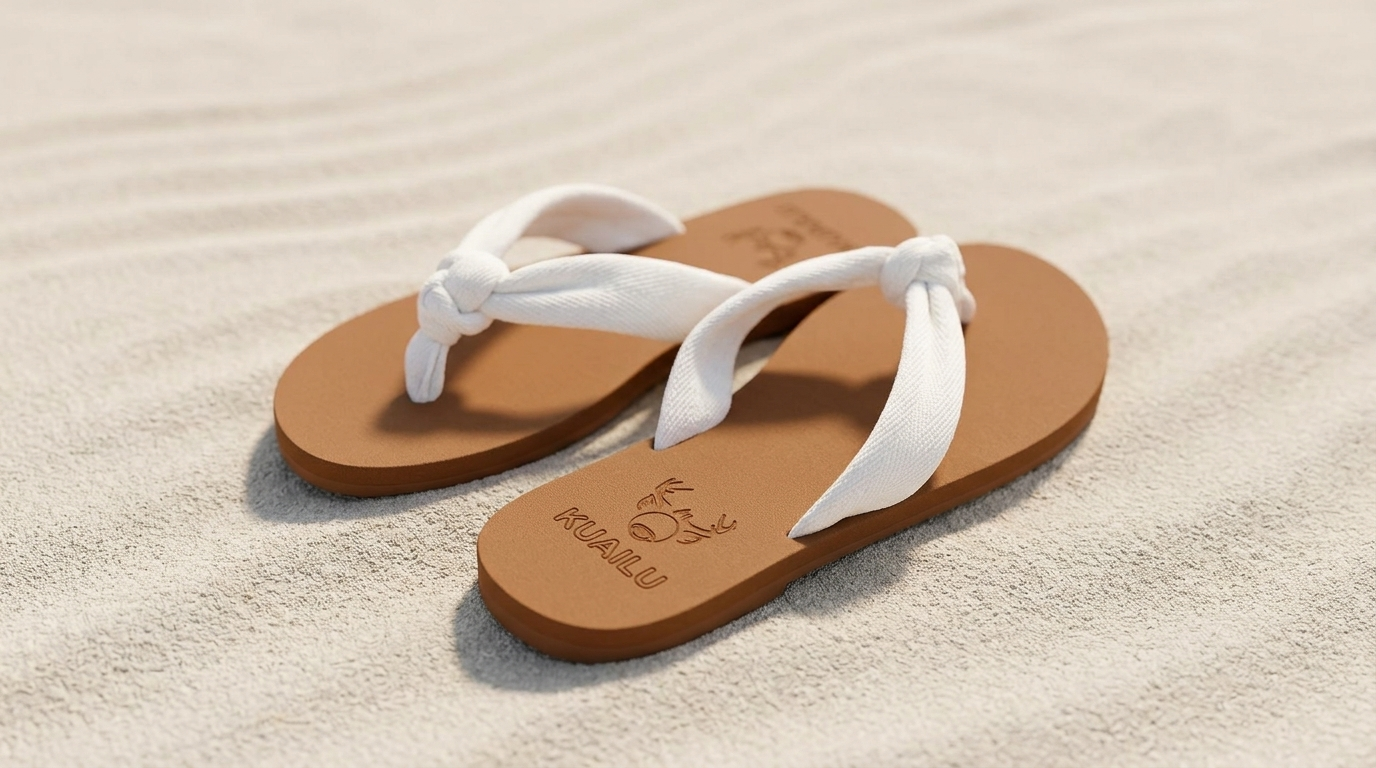
KuaiLu sandals are designed to combine several ergonomic features that contribute to everyday comfort.
Ergonomic Footbeds
KuaiLu sandals feature anatomically shaped footbeds that support the natural contours of the foot.
This helps distribute pressure more evenly while encouraging better alignment.
Responsive Cushioning
Many KuaiLu models incorporate lightweight EVA midsoles that absorb impact during walking.
The cushioning remains supportive while helping reduce foot fatigue after long periods of standing or walking.
Everyday Versatility
One advantage of KuaiLu sandals is their versatility.
They can be worn:
- Around the house
- While traveling
- During casual outings
- After workouts
- Following long work shifts
- On vacation
Rather than needing separate recovery and casual footwear, many users appreciate the ability to wear the same supportive sandals throughout the day.
Modern Design
Supportive footwear no longer needs to look purely orthopedic.
KuaiLu combines ergonomic construction with contemporary styles that pair easily with shorts, jeans, athletic wear, and summer outfits.
Tips for Choosing the Right Sandals
Every person’s feet are different, but several general guidelines can help you make a better decision.
Look for Proper Arch Support
Avoid completely flat sandals if you experience heel discomfort.
Choose Quality Cushioning
Supportive cushioning should feel comfortable while remaining stable.
Make Sure the Sandals Fit Correctly
Your heel should sit securely in the footbed without excessive movement.
Your toes should have enough room to move naturally.
Replace Worn-Out Footwear
Even high-quality sandals gradually lose cushioning over time.
If you notice flattened soles, reduced support, or increased foot fatigue, it may be time for a replacement.
Additional Ways to Improve Comfort
Supportive footwear works best when combined with other healthy habits.
Consider These Daily Practices
- Stretch your calves regularly.
- Stretch the plantar fascia before getting out of bed.
- Maintain a healthy body weight.
- Avoid standing in one position for prolonged periods whenever possible.
- Replace worn shoes before they lose their support.
- Gradually increase activity levels instead of making sudden changes.
Together, these habits can help reduce unnecessary stress on your feet.
Frequently Asked Questions
Can sandals help plantar fasciitis?
Supportive sandals cannot cure plantar fasciitis, but they may improve comfort by reducing pressure on the heel and providing better arch support.
Are flat flip-flops a good choice?
Flat flip-flops typically provide little arch support or cushioning, making them less suitable for people experiencing heel discomfort.
Are KuaiLu sandals good for plantar fasciitis?
Many people looking for supportive everyday footwear choose KuaiLu sandals because of their ergonomic footbeds, responsive cushioning, lightweight construction, and comfortable arch support. While they are not a medical treatment, they can be a comfortable option for everyday wear.
Should I walk barefoot at home?
Walking barefoot on hard surfaces may increase discomfort for some people. Supportive indoor footwear often provides greater comfort, particularly on tile or hardwood floors.
When should I see a doctor?
If heel pain persists for several weeks, becomes severe, or limits your ability to walk, consult a healthcare professional for a proper evaluation.
Final Thoughts
Living with plantar fasciitis doesn’t mean you have to accept everyday discomfort. While no sandal can cure the condition, choosing supportive footwear can make walking feel significantly more comfortable.
Features such as ergonomic arch support, responsive cushioning, deep heel cups, lightweight materials, and stable construction all help reduce unnecessary stress on tired feet.
KuaiLu sandals combine these features in stylish, everyday designs that provide lasting comfort for people who spend long hours standing, walking, or simply want more supportive footwear. Whether you’re heading to work, traveling, relaxing at home, or enjoying a weekend outdoors, the right sandals can make every step feel easier.
References
- American Podiatric Medical Association (APMA). Healthy Feet Resources. https://www.apma.org/
- American Academy of Orthopaedic Surgeons (AAOS). Plantar Fasciitis. https://orthoinfo.aaos.org/
- Mayo Clinic. Plantar Fasciitis. https://www.mayoclinic.org/
- Journal of Foot and Ankle Research. https://jfootankleres.biomedcentral.com/
- National Institute of Arthritis and Musculoskeletal and Skin Diseases (NIAMS). https://www.niams.nih.gov/
- Nigg BM. Biomechanics of Sport Shoes. Human Kinetics.