

Most people don’t think about replacing their shoes until they become visibly damaged. If the soles aren’t falling apart and the straps are still intact, it’s easy to assume they’re still doing their job. However, footwear often loses its supportive qualities long before obvious signs of wear appear.
As cushioning compresses and outsoles wear down, your shoes may no longer absorb impact or support your feet as effectively as they once did. This gradual decline can contribute to foot fatigue, discomfort, and reduced walking comfort—even if your shoes still look perfectly fine.
Whether you wear sandals around the house, recovery footwear after workouts, or comfortable shoes throughout your workday, knowing when it’s time for a new pair is an important part of maintaining foot health.
In this guide, we’ll explain how long comfortable shoes typically last, what factors affect their lifespan, and how to recognize the signs that it’s time to replace them. We’ll also explore how KuaiLu sandals are designed for long-lasting everyday comfort.
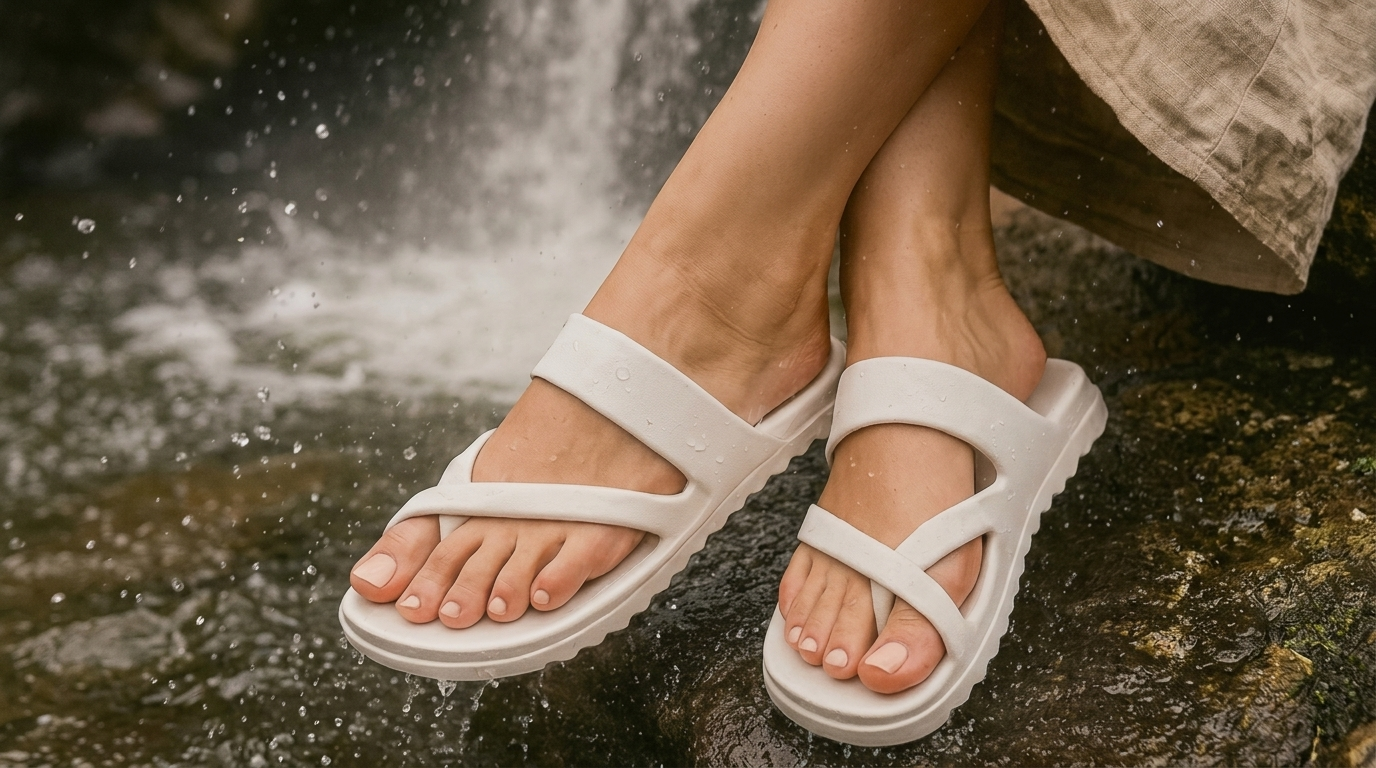
Why Shoe Lifespan Matters
Comfortable footwear does much more than protect your feet from the ground.
Your Shoes Work Hard Every Day
Every step places pressure on your footwear. Walking, standing, climbing stairs, and even simply shifting your weight gradually compress the materials inside your shoes.
High-quality footwear helps:
- Absorb impact
- Support natural foot alignment
- Distribute pressure evenly
- Improve walking comfort
- Reduce everyday foot fatigue
Over time, however, even the best materials begin to lose their performance.
Unlike visible damage, worn-out cushioning often happens gradually, making it difficult to notice until discomfort starts to appear.
How Long Do Comfortable Shoes Typically Last?
There isn’t one universal answer because lifespan depends on how often you wear your shoes and where you wear them.
Average Lifespan
In general, comfortable everyday footwear lasts approximately:
- Walking shoes: 500–800 km (300–500 miles)
- Running shoes: 500–800 km depending on running style
- Everyday sandals: 1–3 years with regular use
- Recovery sandals: 1–2 years depending on frequency of wear
Someone who wears the same pair every day will naturally wear them out much faster than someone who alternates between multiple pairs.
Factors That Affect Shoe Lifespan
Several factors influence how quickly footwear wears out.
Frequency of Use
Shoes worn daily experience constant compression.
Alternating between two or three pairs allows cushioning materials to recover between wears, potentially extending their lifespan.
Walking Surface
Hard surfaces accelerate wear.
Walking primarily on:
- Concrete
- Asphalt
- Tile
- Stone
usually causes faster outsole and midsole deterioration than softer surfaces like grass or carpet.
Body Weight
Heavier loads naturally place greater stress on footwear materials.
This doesn’t mean heavier individuals need different shoes—it simply means cushioning may compress more quickly over time.
Activity Level
Someone who walks 20,000 steps every day will replace shoes sooner than someone who walks only a few thousand.
Professionals such as nurses, teachers, warehouse workers, retail employees, and hospitality staff often experience faster footwear wear because of prolonged standing and walking.
Material Quality
Higher-quality materials generally maintain their shape longer.
Supportive EVA foam, durable rubber outsoles, and well-constructed footbeds tend to provide consistent comfort over a longer period.
Signs It’s Time for a New Pair
Shoes don’t need holes to stop performing properly.
Flattened Cushioning
One of the earliest signs is compressed cushioning.
If your shoes feel noticeably firmer than when they were new, the midsole may no longer absorb impact effectively.
Uneven Sole Wear
Look underneath your shoes.
If one side of the outsole is wearing faster than the other, it may affect your walking mechanics and reduce stability.
Increased Foot Fatigue
Do your feet feel more tired than usual after a normal day?
If nothing else has changed, worn-out footwear could be contributing to your discomfort.
Heel Pain
Many people notice increased heel soreness after their footwear loses cushioning.
Although heel pain has many possible causes, replacing worn shoes may improve comfort.
Reduced Arch Support
Supportive footbeds gradually lose their shape over time.
If your arches no longer feel properly supported, your footwear may no longer provide the same level of comfort.
Visible Damage
Some signs are easier to recognize:
- Cracked midsoles
- Torn straps
- Worn tread
- Separated soles
- Permanent compression
Visible damage often indicates that replacement is overdue.
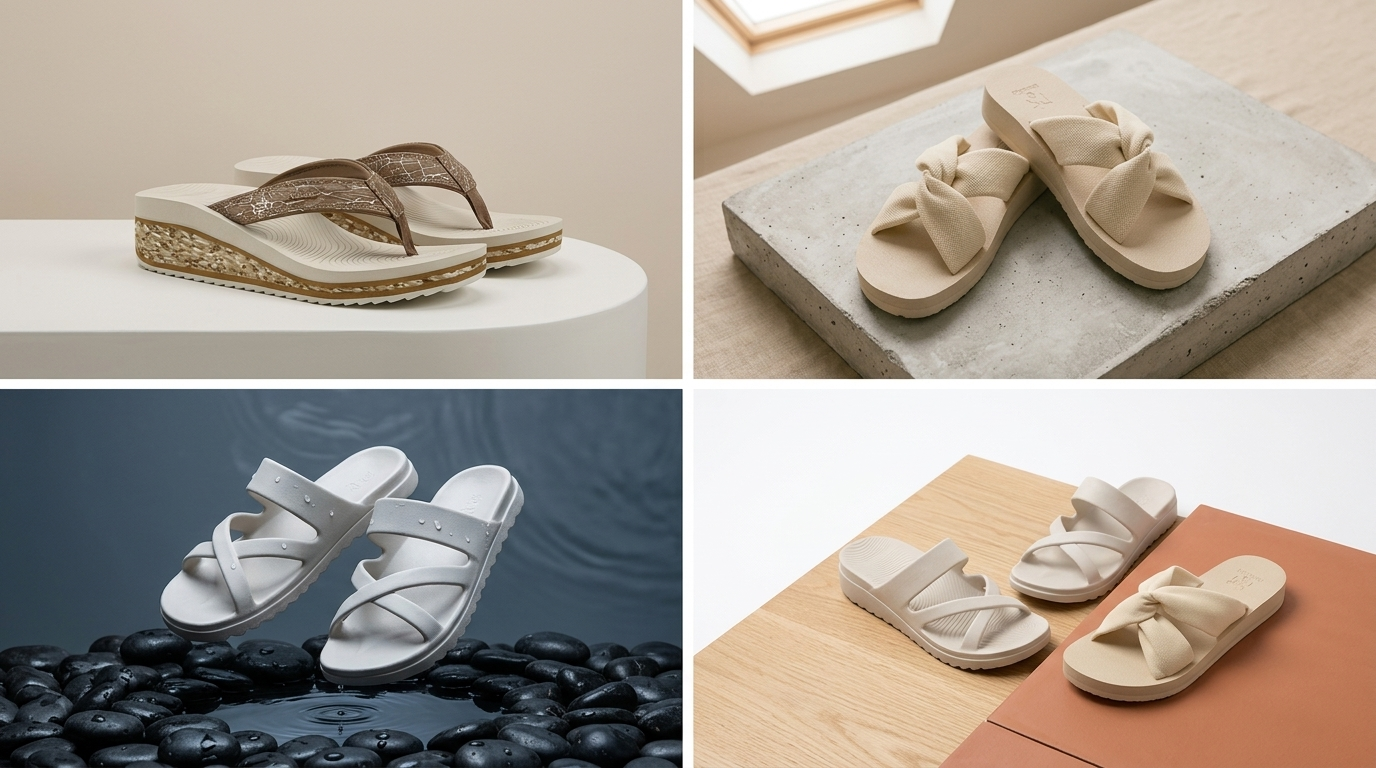
Can Old Shoes Affect Your Feet?
Yes—especially if they’ve lost their supportive features.
What Happens as Shoes Wear Out?
As cushioning compresses, more impact reaches your feet and joints.
Over time, this may contribute to:
- Increased foot fatigue
- Heel discomfort
- Reduced stability
- Less even pressure distribution
- Greater walking discomfort
Replacing worn footwear won’t prevent every foot problem, but it can help maintain consistent comfort.
How to Make Your Shoes Last Longer
Proper care can significantly extend the lifespan of your footwear.
Rotate Your Shoes
Avoid wearing the same pair every day.
Alternating footwear gives cushioning materials time to recover.
Clean Them Regularly
Dirt and debris gradually wear down materials.
Use mild soap and water rather than harsh cleaning chemicals.
Let Them Air Dry
If your shoes become wet, allow them to dry naturally.
Avoid placing them near radiators or using high heat, which can damage foam materials.
Store Them Properly
Keep footwear in a cool, dry location away from prolonged direct sunlight.
Extreme heat may shorten the lifespan of cushioning materials.
Why Quality Construction Matters
Not all comfortable shoes age the same way.
Footwear built with supportive materials often maintains comfort longer than inexpensive flat sandals made from low-density foam.
Features That Improve Durability
Look for footwear with:
- High-quality EVA cushioning
- Durable rubber outsoles
- Ergonomic footbeds
- Secure construction
- Quality stitching and materials
These features contribute not only to comfort but also to long-term performance.
Why Many People Choose KuaiLu Sandals
When shopping for comfortable everyday footwear, durability is just as important as immediate comfort.
KuaiLu sandals are designed to balance ergonomic support with long-lasting construction, making them suitable for daily wear, travel, and post-workout recovery.
Designed for Everyday Comfort
Many KuaiLu models include:
- Ergonomic footbeds that support natural foot alignment
- Responsive EVA cushioning for long-lasting comfort
- Deep heel cups that improve stability
- Lightweight materials that reduce walking fatigue
- Durable rubber outsoles for reliable traction
- Modern designs suitable for indoor and outdoor use
With proper care and regular rotation, KuaiLu sandals are designed to provide dependable comfort throughout everyday use.
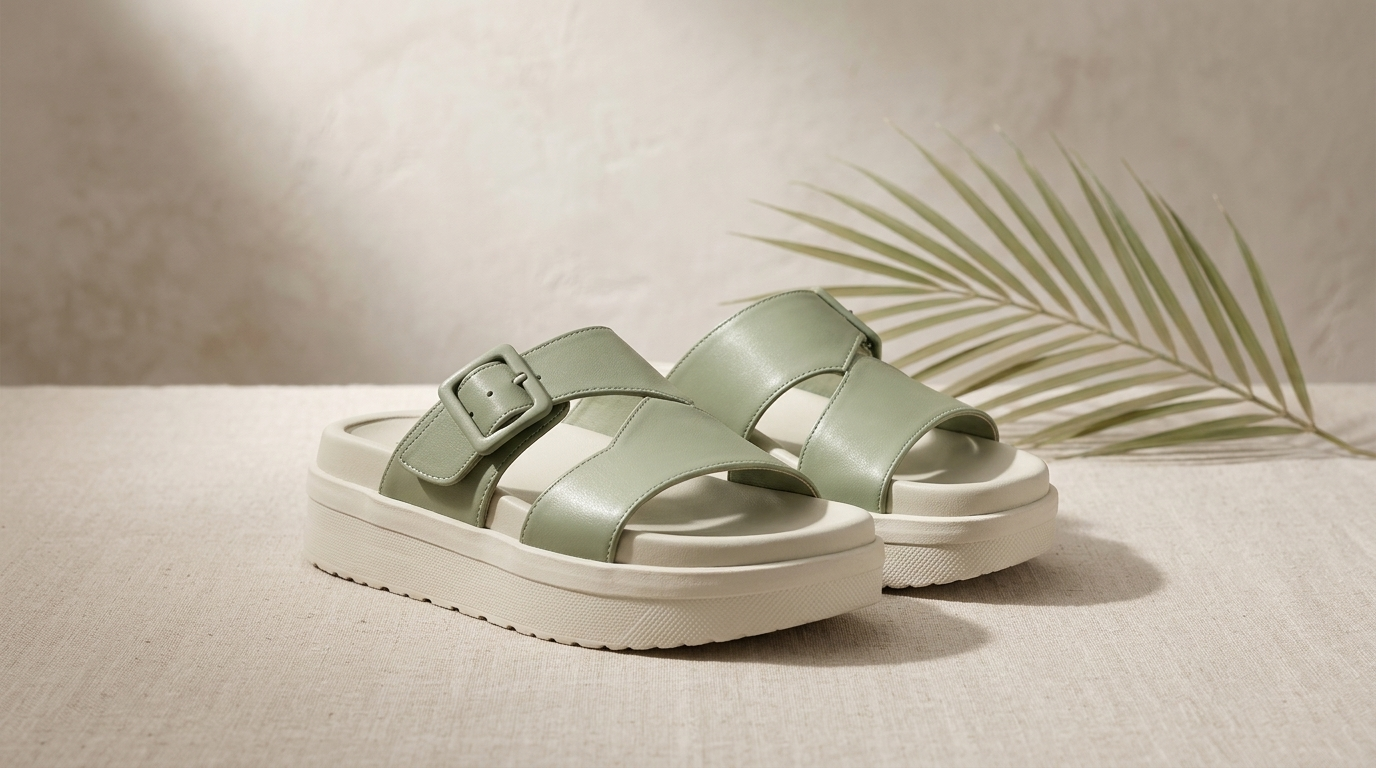
How Often Should You Replace Recovery Sandals?
Recovery sandals experience different wear patterns than athletic shoes.
Signs Your Recovery Sandals Need Replacing
Consider replacing them if you notice:
- Flattened footbeds
- Reduced cushioning
- Visible outsole wear
- Less arch support than before
- Decreased overall comfort
Recovery footwear works best when its supportive features remain intact.
Frequently Asked Questions
How long should comfortable sandals last?
Most supportive sandals last between one and three years, depending on frequency of use, walking conditions, and material quality.
Can shoes wear out even if they look new?
Yes. Cushioning materials often lose performance before visible damage appears.
How do I know if my sandals no longer support my feet?
If you notice increased foot fatigue, heel discomfort, or reduced cushioning compared with when they were new, it may be time for a replacement.
Are KuaiLu sandals durable?
KuaiLu sandals are designed with durable materials, ergonomic footbeds, and responsive EVA cushioning to provide long-lasting everyday comfort. Actual lifespan depends on usage, care, and walking conditions.
Should I keep old shoes for casual use?
If supportive features have significantly worn down, replacing them is usually a better option than continuing to rely on them for everyday comfort.
Final Thoughts
Comfortable footwear isn’t designed to last forever. Even if your shoes still look good on the outside, worn-out cushioning and reduced support can affect how your feet feel every day.
Paying attention to subtle signs such as flattened midsoles, uneven wear, increased foot fatigue, and reduced arch support can help you replace your footwear before discomfort develops.
KuaiLu sandals are designed with durable materials, ergonomic footbeds, and responsive cushioning to provide dependable everyday comfort. By caring for your footwear properly and replacing it when necessary, you can continue enjoying the support your feet need—whether you’re at home, traveling, recovering after exercise, or spending long hours on your feet.
References
- American Podiatric Medical Association (APMA). Healthy Feet Resources. https://www.apma.org/
- American Academy of Orthopaedic Surgeons (AAOS). Foot & Ankle Health. https://orthoinfo.aaos.org/
- Mayo Clinic. Foot Health Resources. https://www.mayoclinic.org/
- Journal of Foot and Ankle Research. https://jfootankleres.biomedcentral.com/
- American Orthopaedic Foot & Ankle Society (AOFAS). https://www.footcaremd.org/