

After a long run, an intense gym session, a demanding day at work, or hours spent on your feet, your body needs time to recover. While most people focus on stretching, hydration, and nutrition, footwear is often overlooked. Yet what you wear after exercise can significantly influence how your feet feel—and, in turn, how the rest of your body recovers.
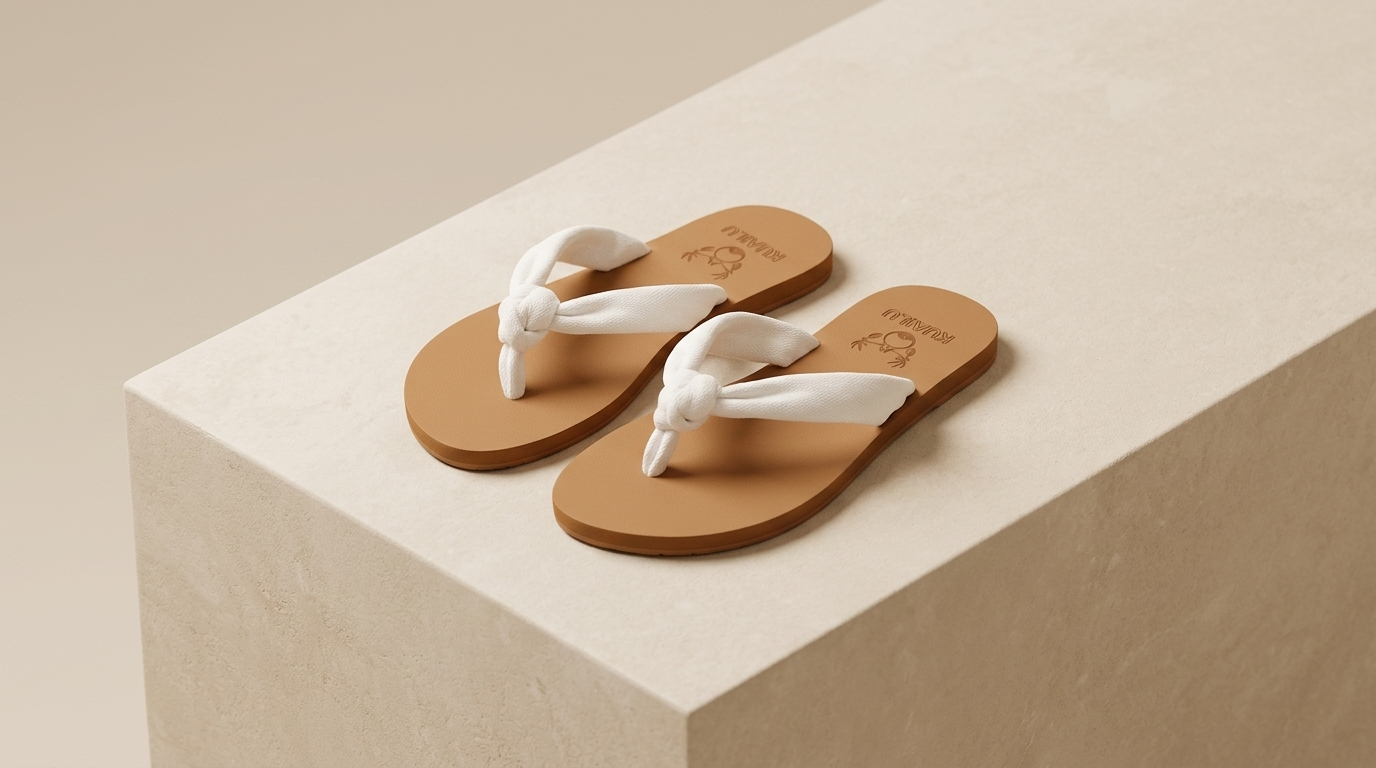
This is where recovery sandals come in. Over the past decade, they have become increasingly popular among runners, hikers, fitness enthusiasts, healthcare professionals, and anyone who spends extended periods standing or walking. Brands such as KuaiLu have contributed to this trend by developing recovery sandals that combine ergonomic support, lightweight cushioning, and everyday style, making them suitable for both post-workout recovery and daily wear.
In this guide, we’ll explain what recovery sandals are, how they work, when you should wear them, and whether scientific evidence supports their growing popularity.
What Are Recovery Sandals?
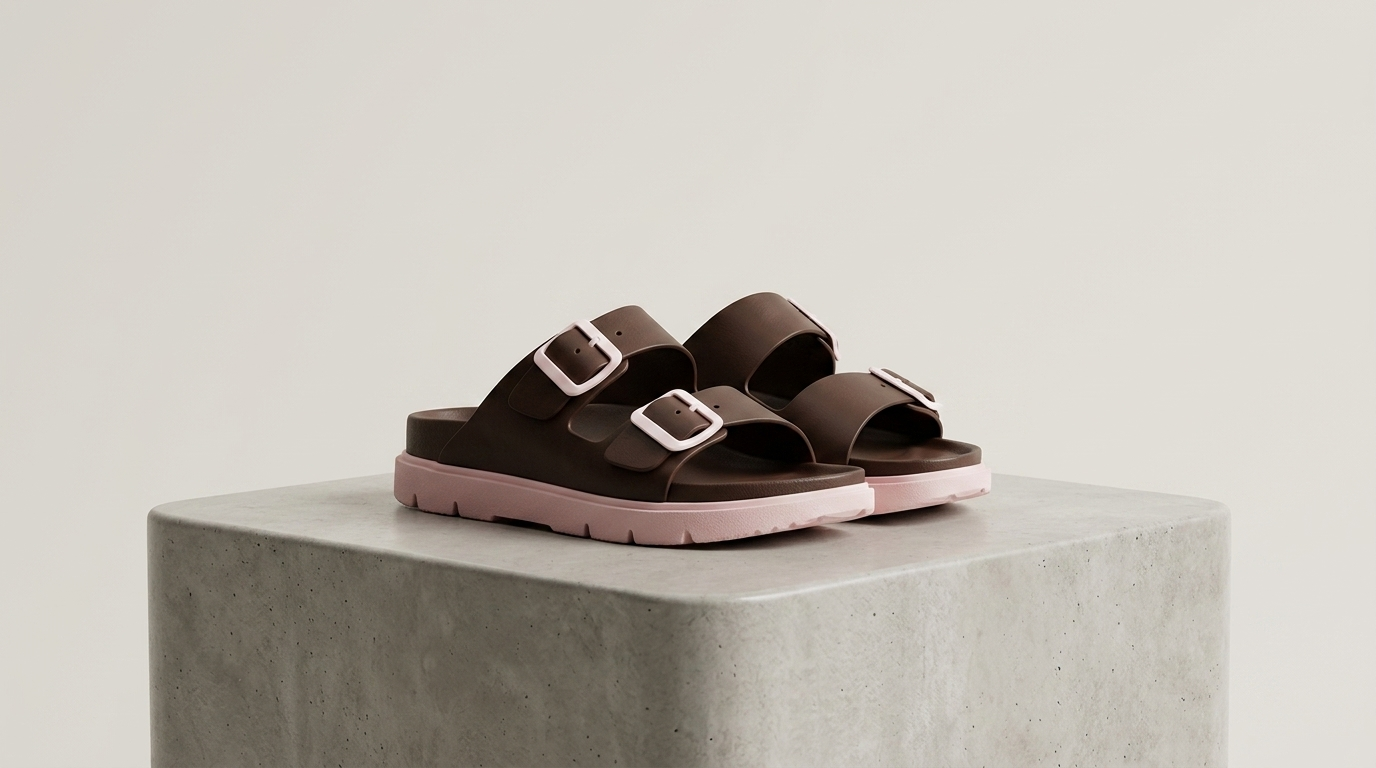
Recovery sandals are specially designed footwear intended to reduce stress on the feet after physical activity or prolonged standing. Unlike traditional flip-flops or flat slides, recovery sandals incorporate advanced cushioning materials, ergonomic footbeds, and supportive designs that help distribute pressure more evenly across the foot.
Key Features of Recovery Sandals
Most recovery sandals include:
- Thick shock-absorbing midsoles
- Anatomically contoured footbeds
- Enhanced arch support
- Deep heel cups for stability
- Lightweight yet durable materials
- Flexible outsoles with reliable traction
The primary goal isn’t athletic performance—it’s comfort and recovery. Instead of forcing tired muscles to continue working to stabilize your feet, recovery sandals help reduce strain while supporting your body’s natural recovery process.
Why Your Feet Need Recovery
The average person takes between 5,000 and 10,000 steps each day, while runners, healthcare workers, teachers, warehouse employees, and hospitality professionals often exceed 15,000–20,000 steps daily.
Every step generates forces that travel through your feet, ankles, knees, and hips. During exercise or long periods of standing, the muscles, tendons, ligaments, and plantar fascia repeatedly absorb these loads.
Common Signs of Foot Fatigue
Over time, this can lead to:
- Foot fatigue
- Muscle soreness
- Increased plantar pressure
- Temporary discomfort after activity
Supportive recovery footwear helps reduce additional stress on already tired feet while allowing the body to recover more comfortably.
How Recovery Sandals Work
Unlike regular sandals or flat flip-flops, recovery sandals are engineered to improve comfort through biomechanical support.
Cushioning Reduces Impact
Most recovery sandals use high-performance EVA foam or proprietary cushioning compounds.
These materials absorb impact while walking, reducing pressure on the heel and forefoot. This creates a softer, more comfortable walking experience immediately after exercise.
Arch Support Promotes Better Alignment
One of the defining features of recovery sandals is ergonomic arch support.
A supportive footbed helps distribute body weight more evenly across the foot, reducing excessive strain on the plantar fascia and surrounding muscles. Better alignment may also contribute to improved comfort in the ankles, knees, and lower back.
Deep Heel Cups Improve Stability
Deep heel cups gently cradle the heel and help stabilize the foot during walking.
By minimizing unnecessary movement, they improve comfort and encourage a more natural gait.
Pressure Redistribution
Instead of concentrating body weight on a few pressure points, recovery sandals spread forces more evenly across the entire foot.
This can be particularly beneficial after:
- Long-distance running
- Hiking
- Gym workouts
- Travel
- Long work shifts
- Standing for extended periods
When Should You Wear Recovery Sandals?
Recovery sandals are designed for post-activity comfort rather than athletic performance.
After Running
Running places significant repetitive stress on the feet. Changing into recovery sandals after a run allows your feet to relax while maintaining proper support.
After Gym Workouts
Whether you’ve completed a strength-training session, CrossFit workout, or HIIT class, supportive sandals provide additional cushioning while you cool down or head home.
Around the House
Many homes have hard tile or wooden floors that offer virtually no shock absorption. Recovery sandals provide extra cushioning and support during everyday activities.
During Travel
Walking through airports or exploring new cities often means spending hours on your feet. Lightweight recovery sandals help reduce foot fatigue without sacrificing comfort.
After Hiking
Hiking boots provide excellent trail protection but can feel restrictive after a long trek. Switching into recovery sandals allows your feet to breathe while maintaining supportive cushioning.
After Long Workdays
Professionals such as nurses, retail workers, restaurant staff, teachers, and warehouse employees often spend entire shifts standing. Recovery sandals provide welcome relief once the workday ends.
Who Can Benefit Most?
Recovery sandals are ideal for:
- Runners
- Walkers
- Hikers
- Gym enthusiasts
- Healthcare professionals
- Teachers
- Retail workers
- Warehouse employees
- Travelers
- Older adults
- Anyone experiencing tired feet after long periods of standing
Although recovery sandals improve comfort, persistent foot pain should always be evaluated by a qualified healthcare professional.
Do Recovery Sandals Really Work?
The short answer is yes—for comfort and support, but they are not a medical treatment.
Research on recovery footwear continues to evolve. Current evidence suggests that cushioned footwear can reduce plantar pressure, improve walking comfort, and decrease stress on certain areas of the foot compared with minimal footwear.
What Research Suggests
Studies indicate that supportive footbeds may benefit individuals with mild overpronation by promoting more even pressure distribution. Elite runners and endurance athletes frequently wear recovery sandals after training because they find them more comfortable than traditional slides or flip-flops.
While results vary from person to person, many users report feeling less foot fatigue after switching into recovery footwear.
What Recovery Sandals Cannot Do
Recovery sandals are helpful—but they are not miracle products.
Recovery Sandals Cannot:
- Heal injuries
- Repair torn ligaments
- Replace physical therapy
- Cure chronic foot conditions
- Substitute for professional medical care
Good recovery also depends on adequate sleep, hydration, nutrition, and appropriate training.
Choosing the Right Recovery Sandals
Not all recovery sandals provide the same level of comfort or support.
Cushioning
Choose thick, high-quality foam that absorbs impact without feeling unstable.
Arch Support
A contoured footbed should support your natural arch instead of remaining completely flat.
Secure Fit
Your feet should stay comfortably in place while walking.
Durable Outsole
Slip-resistant rubber outsoles provide better grip on both indoor and outdoor surfaces.
Lightweight Construction
Recovery sandals should feel light enough for extended daily wear.
Why Many People Choose KuaiLu Recovery Sandals
When selecting recovery footwear, it’s important to consider more than just appearance. KuaiLu recovery sandals are designed to deliver a balance of comfort, support, durability, and modern style.
Benefits of KuaiLu Recovery Sandals
Depending on the model, KuaiLu sandals may include:
- Responsive cushioning that helps reduce foot fatigue
- Ergonomic arch support for better comfort
- Deep heel cups that improve stability
- Lightweight materials for all-day wear
- Slip-resistant outsoles for indoor and outdoor use
- Stylish designs suitable for casual and active lifestyles
Whether you’re recovering after a workout, relaxing at home, traveling, or finishing a long workday, KuaiLu recovery sandals provide dependable support and lasting comfort.
Caring for Recovery Sandals
Proper maintenance helps preserve both comfort and performance.
Care Tips
- Clean them regularly with mild soap and water.
- Avoid prolonged exposure to extreme heat.
- Allow them to air dry naturally.
- Replace them when the cushioning becomes noticeably compressed.
Frequently Asked Questions
Can I Wear Recovery Sandals Every Day?
Yes. Many people wear recovery sandals daily, especially at home or after work. Alternating different types of supportive footwear can also help vary loading patterns on your feet.
Are Recovery Sandals Better Than Walking Barefoot?
It depends on the person and the surface. On hard indoor floors, supportive recovery sandals often provide greater comfort than walking barefoot.
Can Recovery Sandals Help Plantar Fasciitis?
Some people with plantar fasciitis find recovery sandals more comfortable because of their arch support and cushioning. However, they should not replace medical advice or prescribed treatment.
Are KuaiLu Recovery Sandals a Good Choice?
KuaiLu recovery sandals are an excellent option for people looking for supportive, comfortable footwear at an affordable price. Their ergonomic footbeds, lightweight construction, cushioned midsoles, and versatile designs make them well suited for post-workout recovery, daily walking, and long hours spent on your feet.
Are Recovery Sandals Worth Buying?
If you regularly exercise, hike, run, travel, or work on your feet for long periods, recovery sandals can be a worthwhile investment in long-term comfort.
Final Thoughts
Recovery doesn’t end when your workout is over. Every step you take afterward continues to place stress on your feet, joints, and muscles. Choosing supportive footwear during this time can improve overall comfort and help reduce everyday foot fatigue.
Recovery sandals combine ergonomic design, shock-absorbing cushioning, and structured support to provide a more comfortable walking experience after exercise and throughout the day. While they aren’t a replacement for healthy recovery habits or medical care, they can play an important role in your daily routine.
If you’re looking for footwear that combines reliable support, lightweight comfort, and modern style, KuaiLu recovery sandals are an excellent choice. Designed for active lifestyles and everyday wear, they help your feet feel refreshed whether you’ve just finished a workout, returned from a hike, or completed a long day at work.
References
- American Podiatric Medical Association (APMA). Healthy Feet Resources. https://www.apma.org/
- American Academy of Orthopaedic Surgeons (AAOS). Foot & Ankle Health. https://orthoinfo.aaos.org/
- Nigg BM. Biomechanics of Sport Shoes. Human Kinetics.
- Cheung RTH, Ng GYF. Influence of Footwear on Plantar Pressure and Lower Extremity Biomechanics.
- Journal of Foot and Ankle Research. https://jfootankleres.biomedcentral.com/
- Mayo Clinic. Foot Pain & Plantar Fasciitis. https://www.mayoclinic.org/